
Find What's Beyond The Festival
Explore Ada
Tapioca Festival brings thousands of people to Ada. Explore Ada gives them a reason to stay longer, go further and experience more.
Rather than keeping visitors within the festival grounds, we create a collection of curated exploration experiences that connect festivalgoers with the wider Ada destination.
Don't just attend Tapioca.
Explore Ada.
There is a side of Ghana that cannot be experienced from a stage. You have to go looking for it.
Get on the water.
Walk the coast.
Meet the people.
Taste the food.
Follow the river.
Discover the communities.
Listen to the stories.
Find the places that do not appear on the festival schedule. This is Explore Ada.
As part of Tapioca Festival 2026 – The Revival, we are inviting a new generation of explorers to experience Ada-Foah and its surrounding destination through curated journeys of nature, culture, adventure, food, community and discovery.
Tapioca becomes the starting point.
Ada becomes the adventure.
Every journey becomes part of The Revival. Because revival is not only about remembering where we came from. It is about rediscovering what is still here.
Curated Journeys
Where To Go From Here.
A starting list of real places around Ada worth the detour — rivers and creeks, a fort worn down by the sea, active shrines, a memorial, a nesting beach. Go with a local guide.
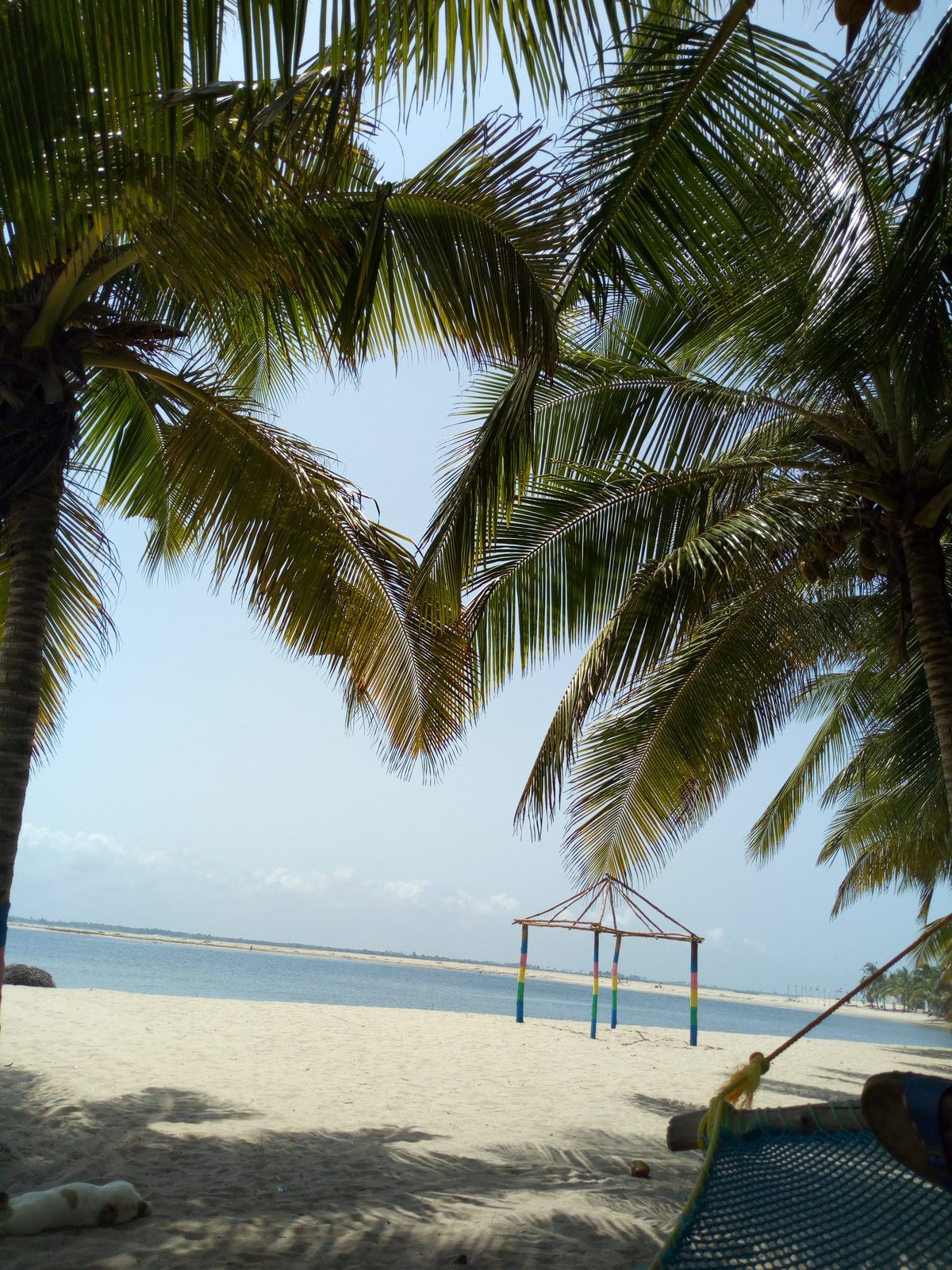
The Volta River Estuary
Where the Volta River meets the Atlantic. Boat cruises head out to where the river and sea currents visibly collide, past mangroves, small islands and fishing canoes painted with proverbs.
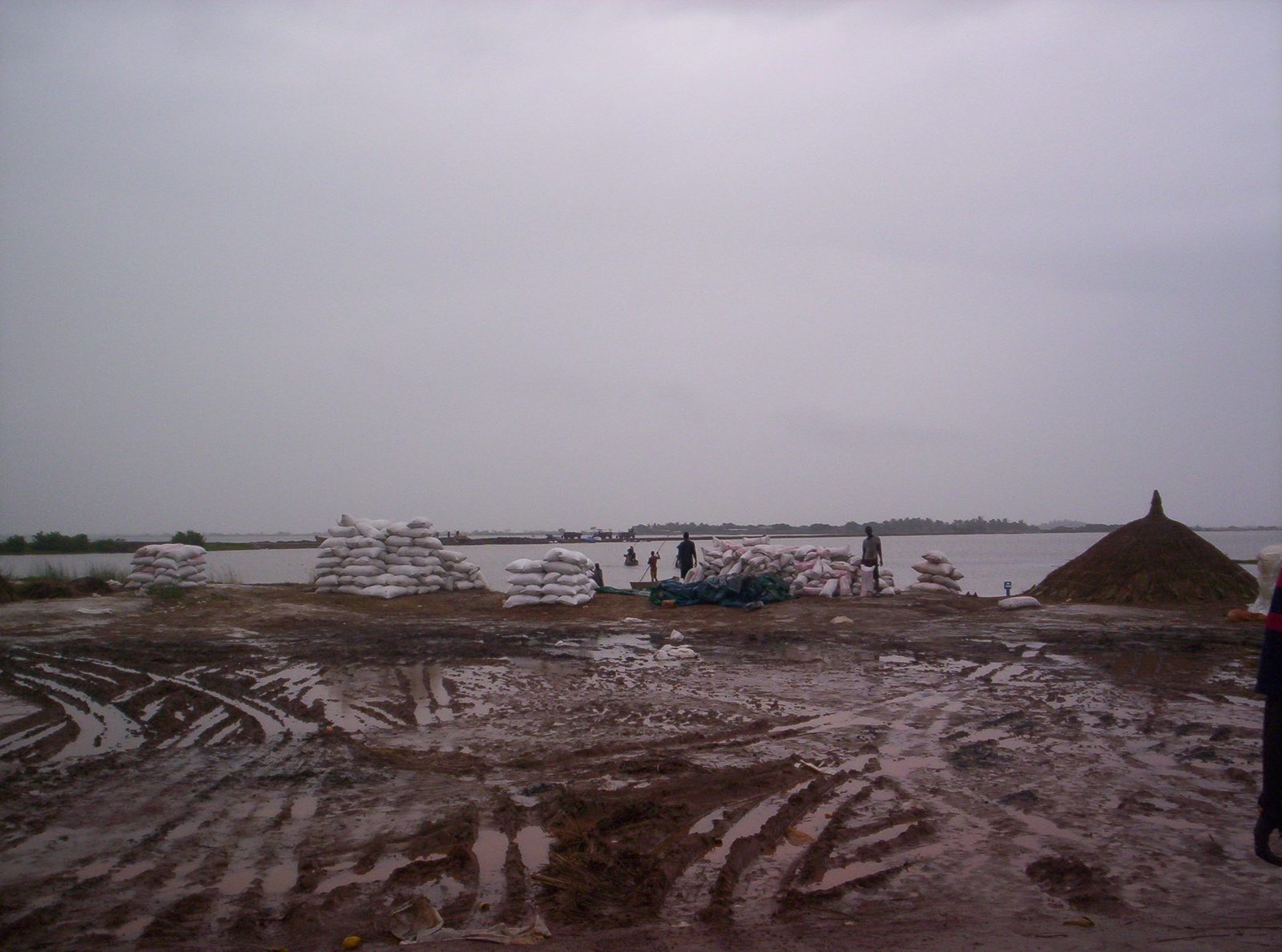
Songor Lagoon
A Ramsar-listed wetland just outside Ada — Ghana's largest natural salt-mining ground, and one of the country's most important sites for migratory birds between August and February.
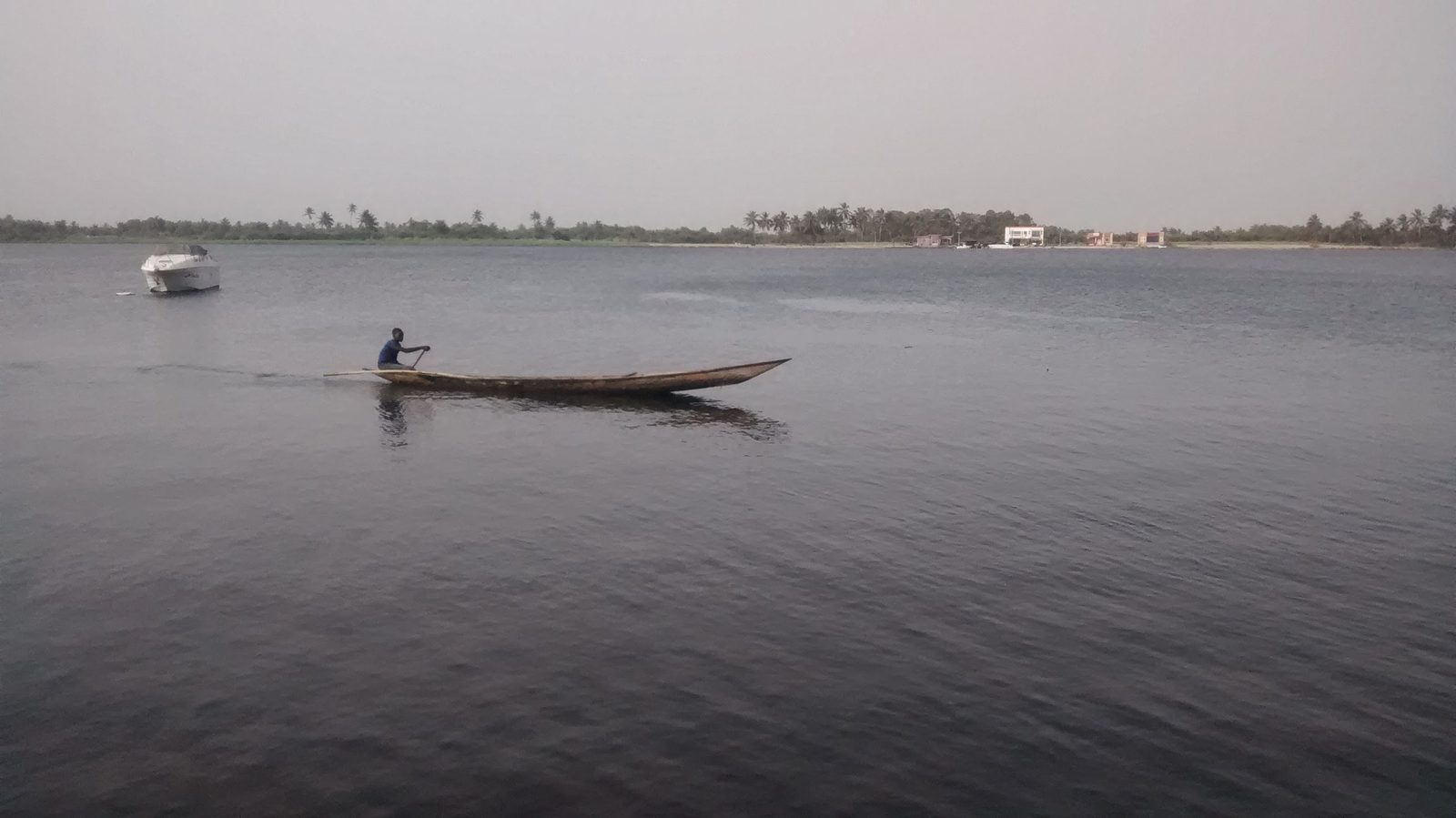
Creeks & Canoe Trails
The waterways around Ada are threaded with quieter creeks and river islands, reached by canoe or motorboat — a slower way to see fishing villages, mangroves and the estuary's wildlife up close.
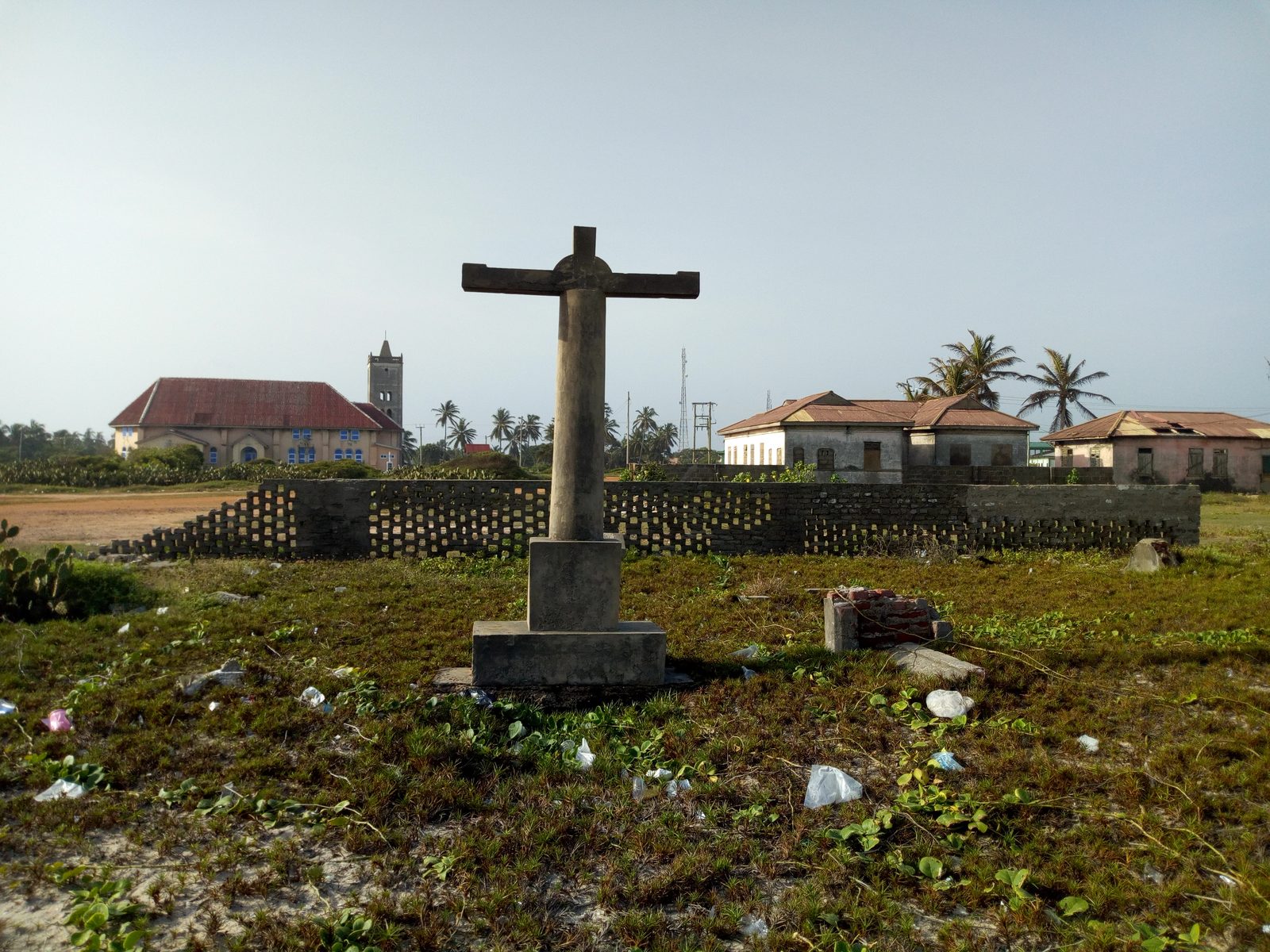
Fort Kongenstein
A Danish trading fort built at the mouth of the Volta in 1783, sold to the British in 1850. Coastal erosion has claimed most of the structure, but its traces — and the 1890s mission church and graveyard beside it — still mark Ada-Foah's trading-post history.
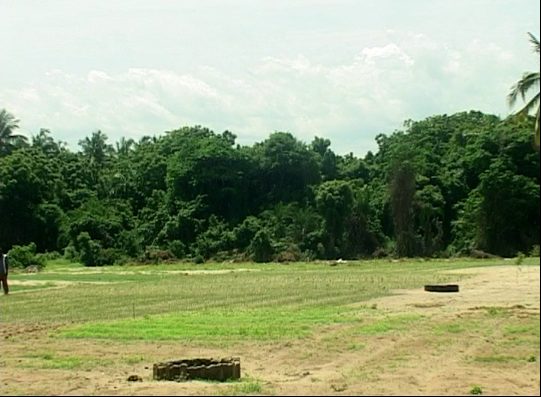
Sacred Groves & Shrines
Around Big Ada, community shrines such as Dada and Dasume, and roughly twenty sacred groves in the surrounding bush, remain active sites of Dangme traditional religion — some open to respectful visitors with a local guide or fetish priest.
Nkyinkyim Installation
A short trip from Ada at Nuhalenya-Ada: an open-air memorial by sculptor Kwame Akoto-Bamfo, made of more than a thousand cement and terracotta heads, commemorating the people taken in the Transatlantic slave trade.
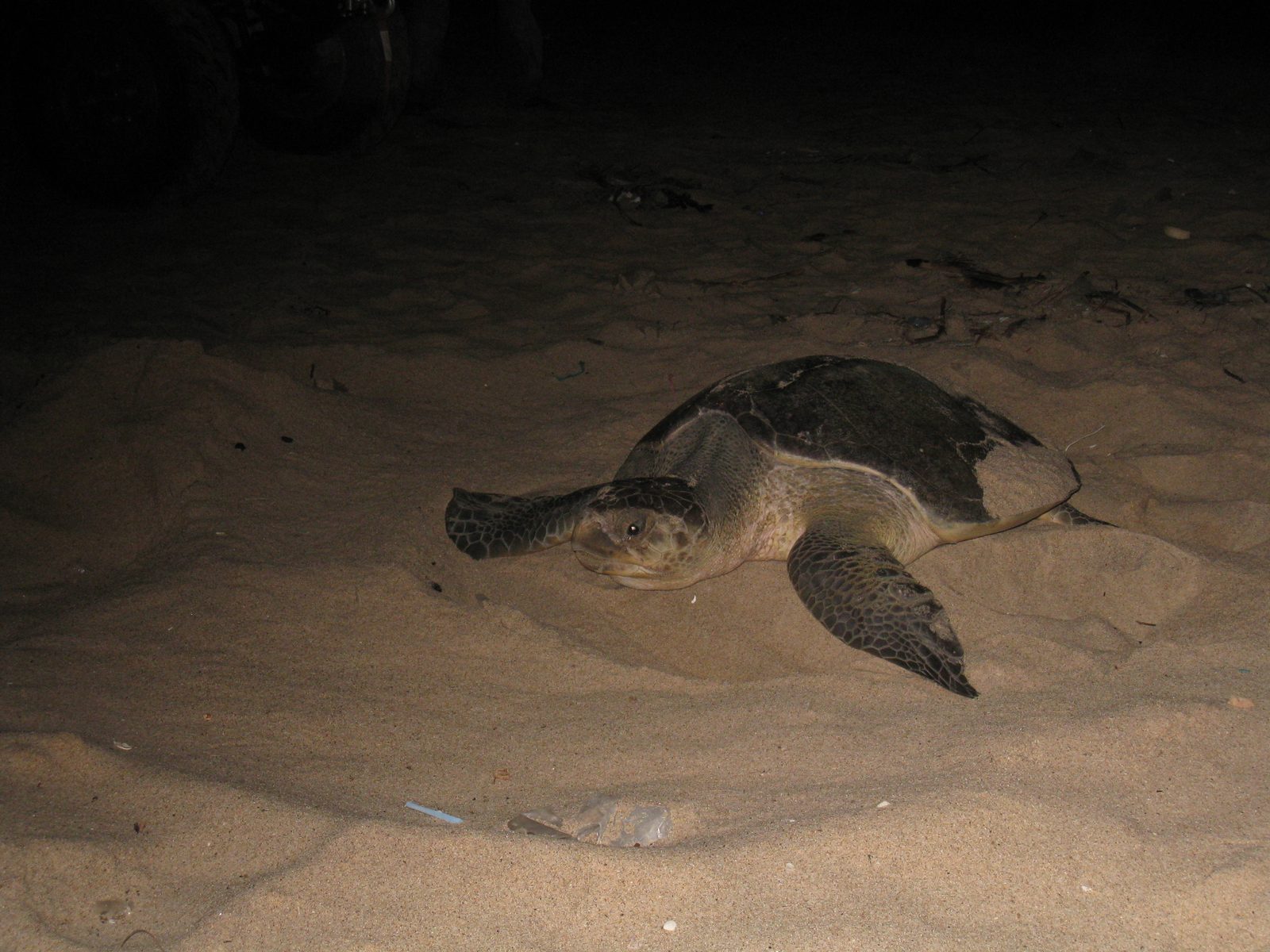
Turtle Nesting Beaches
From August to February, leatherback, green and olive ridley turtles come ashore on Ada's beaches to nest. Guided night watches are organised locally in season.
Photos: Volta River estuary by Obed Kojo Asiedu (CC BY-SA 4.0), Songor Lagoon salt pans by Akiwumi (CC BY-SA 3.0), River boat near Ada by Dieu-Donné Gameli (CC BY-SA 3.0), Old mission graveyard, Ada-Foah by Obed Kojo Asiedu (CC BY-SA 4.0), Wunyahue Sacred Grove by Akiwumi (CC BY-SA 3.0), Sea turtle nesting at Ada by SanBa (CC BY-SA 3.0), via Wikimedia Commons.
The Graffiti Wall
Leave Your Mark.
Tapioca becomes the starting point.